
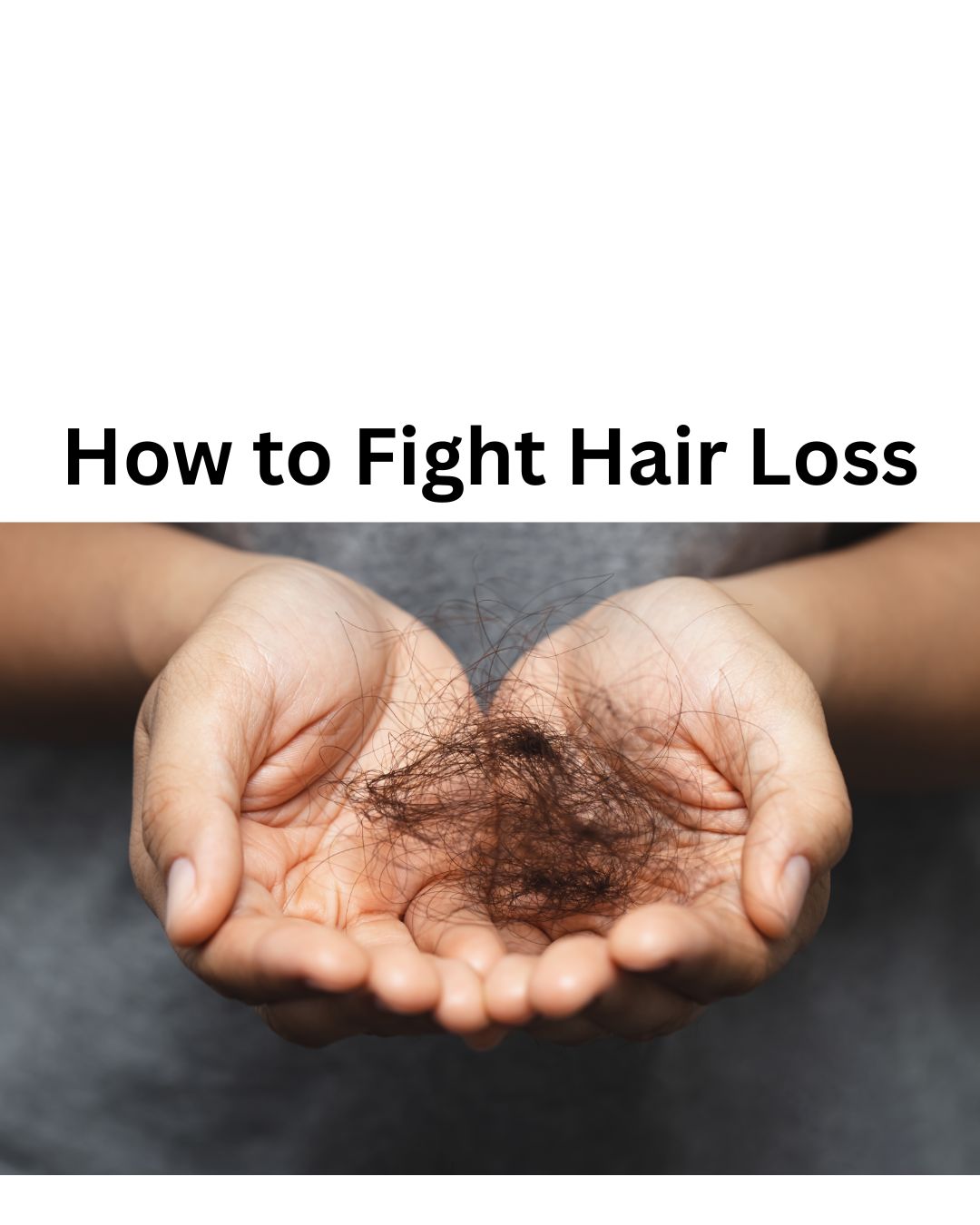
How to Fight Hair Loss During Menopause
How to Fight Hair Loss During Menopause
Hair loss during menopause is a reality for many women, but it doesn’t have to be permanent. Understanding the causes and taking proactive steps can help you maintain healthy, fuller hair during this transitional phase.
Why Does Hair Loss Happen During Menopause?
During menopause, your body experience significant hormonal shifts. Declining estrogen and progesterone levels are the primary culprits behind thinning hair. These hormones help hair grow faster and stay on your head longer. When they drop, hair growth slows and shedding increases.
Additionally, the relative increase in androgens (male hormones) can cause hair follicles to shrink, leading to thinner hair or hair loss, particularly around the crown and hairline.
Medical Treatments That Work
Minoxidil (Rogaine)
This FDA approved treatment can help stimulate hair growth and slow hair loss. It’s available over the counter and is applied directly to the scalp twice daily.
Hormone Replacement Therapy (HRT)
For some women, HRT can help balance hormone levels and reduce hair loss. Always consult with your healthcare provider to determine if this option is right for you.
Prescription Medications
Spironolactone and finasteride are sometimes prescribed off-label for female hair loss. Your doctor can discuss whether these might be appropriate for your situation.
Lifestyle Changes That Make a Difference
The power of nutrition: A balanced diet rich in protein, iron, vitamins, and omega 3 fatty acids is essential for healthy hair growth.
Key Nutrients for Hair Health
Protein: Hair is made of protein, so ensure you’re getting adequate amounts from lean meats, fish, eggs, legumes, and nuts.
Iron: Found in leafy greens, red meat, and fortified cereals.
Biotin: Present in eggs, almonds, and sweet potatoes.
Vitamin D: Get it from sunlight, fatty fish, or supplements.
Omeg-3 fatty acids: Found in salmon, walnuts, and flaxseed.
Stress Management
Chronic stress can exacerbate hair loss. Consider incorporating:
Regular meditation or yoga
Deep breathing exercises
Quality sleep (7-9 hours per night)
Activities that bring you joy and relaxation
Gentile Hair Care Practices
Avoid tight hairstyles that pull on your hair
Use a wide-toothed comb instead of brush on wet hair
Limit heat styling tools
Choose sulfate-free, gentle shampoos
Avoid harsh chemical treatments and excessive coloring
Natural Remedies to Consider
Scalp Massage can improve blood circulation to hair follicles. Try massaging your scalp for 5 minutes daily using gentle circular motions.
Essential oils like rosemary, peppermint, and lavender oil may promote hair growth when diluted with a carrier oil and massaged into the scalp.
Green tea contains antioxidants that may help block DHT, a hormone linked to hair loss.
When to See a Specialist
Consult a dermatologist or a trichologist if:
You are experiencing sudden or severe hair loss.
You notice bald patches.
Hair loss is accompanied by itching, pain or skin changes.
Over the counter treatments haven’t helped after 6 months.
Final Thoughts
Hair loss during menopause can feel distressing but remember that you have options. By combining medical treatments with lifestyle modifications and gentle hair care, many women successfully manage menopausal hair loss.
Be patient with yourself and your hair. Results from most treatments take 3-6 months to become noticeable. Focus on overall health and wellness, and remember that your worth isn’t defined by your hair.
You are not alone: Up to 50% of women experience noticeable hair loss during menopause. Connecting with others, going through similar experiences can provide valuable support and encouragement.
This information is for educational purposes only and should not replace personalized medical advice. Always consult with a qualified healthcare provider about your specific health needs and hormone therapy options.